How to Use This Program
If you've had, or are scheduled for, surgical correction of pectus carinatum, this is the complete recovery plan: before surgery, in hospital, and through every week after, with every claim cited.
Carinatum is the most brace-responsive pectus condition, so surgery is reserved for rigid, severe or skeletally-mature cases. When done, it's either an open Ravitch repair (removing overgrown cartilage and repositioning the sternum) or the minimally invasive Abramson technique, which fixes a compression bar across the front of the chest to push the sternum back.1,2
Abramson is effective and safe, with excellent-to-satisfactory aesthetics in ~99.5% of patients and shorter stays than open repair, but a cumulative complication rate around 26%, so disciplined recovery matters.2,3 Structured recovery (ERAS) pathways shorten stay and pain.11,12,29
Why Recovery Decides Your Result
Two risks dominate the early weeks. First, shallow breathing: pain makes you under-breathe, the lower air sacs collapse (atelectasis), and that is the most common complication after thoracic surgery and the gateway to pneumonia.15,17
Second, posture relapse: carinatum is a chest-forward, over-arched pattern, and spending recovery thrusting the chest out fights the very correction the bar made. Physiotherapy alongside carinatum treatment improves outcomes,5,8 and body image and confidence rise sharply after repair, most in the first six weeks.39,40 Breathing and posture aren't extras, they're the plan.
Prepare Before Surgery (Prehab)
The fitter and better-prepared you go in, the smoother you come out. Prehab and pre-op education are built into ERAS pathways and linked to shorter stays.11,29 For the full 6–8 week plan, ribs-down breathing, a posture and strength base, nutrition and a pre-op checklist, follow the dedicated Pre-Surgery Prehab Program.
- Practise breathing now: diaphragmatic and ribs-down breathing, plus the spirometer if given one.9,17
- Build a back/posture base: rows and scapular work you'll pause then rebuild.
- Stop smoking, limit alcohol: both impair wound and lung healing.35
- Top up protein & vitamin D (≥800 IU/day, >30 ng/mL) for bone, muscle and infection control.34,36
- Set up home: semi-upright sleep spot, front-button clothing, and a bowel plan ready for day 1.32,33
The Hospital Stay
Minimally invasive carinatum repair usually means a stay of around five days, with less pain than open repair.2,3 Expect:
- Multimodal pain control: nerve blocks/epidural ± cryoablation plus scheduled non-opioids.13,14
- Walking on day 1: reopens the lungs and prevents clots.17,30,31
- Hourly breathing work with the spirometer.15,16
- Clot prevention (VTE) via early ambulation (± compression/medication per risk).30,31
Your Surgery & What Is Healing
In the Abramson repair a contoured bar is fixed to the ribs on each side and tensioned across the front to compress the protrusion; in a Ravitch repair, cartilage is resected and the sternum stabilised.1,2,20 Three tissues heal at once:
- Rib cartilage & sternum remodel under the new compressive load, why posture and gradual loading matter for months.
- Intercostal nerves under the hardware drive early pain; multimodal analgesia beats opioids alone.13,14
- The bar–rib fixation needs scar tissue to stabilise; until then, hard loading or a blow risks displacement, the classic hardware complication.18,19
Your Recovery Timeline
The compression bar is generally left in place for 2–3 years. Use this as the map; your surgeon draws the route.26
| When | What's realistic | Watch for |
|---|---|---|
| Days 0–14 | Walking, breathing work, neutral tall posture. Desk work ~3 weeks.26 | Incision care, no twisting/lifting |
| Weeks 2–6 | Posture and gentle mobility; daily walks lengthen. | Hardware-displacement risk18,19 |
| Week 6+ | Light cardio usually cleared; strength program begins.26 | Stay pain-guided |
| ~2–3 months | Vigorous activity, then most sport.26 | Contact sport restricted |
| Bar in (2–3 yrs) | Full training; avoid collision sport.26 | Report any shape change |
Week by week, in more detail
Complications & Red Flags
Abramson repair carries a cumulative complication rate around 26%, mostly hardware-related and manageable; technique refinements continue to lower risk.2,18 Bar-based chest-wall repairs broadly share the same early risks (pneumothorax, displacement, effusion, wound issues).44,45
- Aching, tightness and soreness that ease week to week
- Numb or buzzing patches of skin near the incisions54
- A mild "tight" feeling on deep breaths while the bar is in
- The occasional click with an otherwise settled, pain-free chest
- Tiredness and low mood in the early weeks
- Sudden or severe breathlessness or chest pain44
- A new clicking/shifting feeling or visible change in chest shape18
- Fever, spreading redness, or discharge from a wound18
- Calf pain or swelling, or coughing up blood31
The Four Phases
Goal: settle the repair and restore breathing without straining the chest wall.
- Diaphragmatic breathing 5–10 breaths several times daily; spirometry hourly.15,16,17
- Short, frequent walks, tall neutral posture, early ambulation speeds recovery.30,31
- Log-roll; no twisting, no thrusting the chest forward; no lifting > ~2–3 kg.18
Goal: train the chest-down, ribs-in posture that keeps a corrected carinatum flat.
- Posture drills: ribs down, sternum relaxed, shoulder blades back and down.
- Gentle pain-free mobility; breathe into the back and sides, not the front.
- Wear any prescribed compression brace exactly to schedule, physiotherapy plus compression outperforms either alone.5
Goal: rebuild the back, core and shoulders so posture holds the correction, the Strength Program begins.
- Pull-dominant work; light pressing only pain-free; core stability (no arching/crunching).
- Low-impact cardio once incisions are healed and cleared.
- Avoid movements that push the chest forward or over-arch the spine under load.
Goal: progress to full training while keeping the posture that maintains the result.
- Progressive loading toward full strength training; most sport by ~3 months.26
- Contact / collision sport only with surgeon clearance while the bar is in.26
A Day in Early Recovery
Week one looks repetitive on purpose. Small, frequent doses of breathing and walking beat occasional big efforts, and a fixed rhythm keeps you ahead of pain instead of chasing it.12,17 Use this as a template for days 1–10 at home, then loosen it as you need fewer reminders. Set phone alarms for the breathing and medication blocks, in the first week your memory is not reliable.
Breathing & Your Lungs
Pulmonary complications affect a quarter to nearly half of thoracic-surgery patients, with atelectasis the usual first step.17 Consistent breathing work helps, and both incentive spirometry and deep breathing are recommended front-line.15,16,17
Pain Management
Hardware against intercostal nerves makes early pain real. Multimodal control, nerve blocks/epidural or cryoablation plus scheduled acetaminophen and an anti-inflammatory, with short tapering opioid use, beats opioids alone and shortens stay.11,12,13,14
- Stay ahead of it with scheduled non-opioids.12
- Taper opioids early to limit constipation and dependence risk.32
- Ice and pillow-splinting help coughing and movement.
The multimodal stack at home
The aim is to keep base pain controlled with non-opioids so you only top up with the strong medication when you genuinely need it. Follow your discharge prescription exactly, this is just the general shape of it:11,12
| Layer | Role | Notes |
|---|---|---|
| Acetaminophen (paracetamol) | Scheduled base, round the clock | The backbone, take it on time, not only when sore12 |
| NSAID (e.g. ibuprofen) | Anti-inflammatory layer | Only if your surgeon allows it; with food |
| Opioid | Short, tapering top-up | Breakthrough pain only; wean as early as you can32 |
| Nerve-pain agent | Sometimes added | For burning/neuropathic pain, per your team54 |
Without medication
- Pillow-splinting for coughs, laughs and getting up.
- Ice over a cloth near (not directly on) the incisions eases muscle ache.
- Slow breathing and walking genuinely lower pain, stillness and shallow breathing make it worse.17
- Position and timing: semi-upright rest, and dose ahead of activity and sleep.
Everyday Activities & Movement
Until the compression bar is anchored by scar tissue, the golden rule is move as one unit, no twisting, no hauling yourself up by your arms, and let your legs do the work.18,19 These are the everyday movements people most often get wrong in the first weeks.
Getting out of bed, the log-roll
- Bend your knees so your feet are flat on the mattress.
- Roll your whole body to one side at once, shoulders and hips together, like a log, never twisting at the waist.
- Lower your feet off the edge as you push up sideways through your bottom arm.
- Come to sitting using your legs and the arm beneath you, not your chest. Pause a moment before you stand.18
Coughing or sneezing without fear
- Hug a pillow or folded towel firmly against your chest.
- Take a slow breath in.
- Cough or sneeze into the splint, the counter-pressure protects the incisions and hurts far less.
- Never suppress a cough; clearing secretions is how you avoid a chest infection.8,17
Day to day
- Showering: usually fine once dressings allow and the wound is sealed, warm (not hot) water, no scrubbing the incisions, pat dry. Confirm timing with your team.18
- Dressing: loose, front-opening tops; dress the sorer side first; use a grabber for low items instead of bending and twisting.
- Reaching & carrying: keep everything below shoulder height and close to your body, and stay under your lifting limit (about a full kettle) until cleared.18
- Sitting & screens: support your low back, feet flat, screen at eye height, and don't sit thrusting the chest forward. Get up every 30–45 minutes.
- Stairs: fine and good for you, go slowly, breathe, use the rail.
Wound & Scar Care
Keep incisions clean and dry and watch for infection (spreading redness, warmth, discharge, fever).18 Abramson scars sit laterally, which is cosmetically favourable.2
Once wounds are fully closed and your surgeon clears it, topical silicone gel is the best-evidenced OTC scar treatment, RCT meta-analyses show reduced scar height, pigmentation and stiffness with consistent use (≥4 days/week) over months.37 Protect fresh scars from sun.
Making the scar fade
- Silicone first. Once fully closed and cleared, a silicone gel or sheet used daily for ~3 months is the best-evidenced route to softer, flatter, paler scars.37,53
- Scar massage. When your team okays it, a few minutes a day of firm circular massage keeps the scar supple and less bound down.53
- Sun protection. Keep fresh scars covered or use high-SPF for a year, UV darkens them permanently.
Numbness around the scars is normal
Small nerves are cut at every incision, so patches of numbness, tingling or hypersensitivity around the scars are expected. Most fades over months as the nerves recover; occasionally a small numb patch is permanent. Persistent burning or shooting pain is different, tell your team, as it responds to specific nerve-pain treatment.54
Sleep & Positioning
- Sleep on your back, semi-upright early on, easier breathing, no twisting onto the bar.18
- Log-roll to move; no rolling flat onto your side early.
- Protect sleep, it's when tissue heals; time pain meds to cover the night.
Nutrition, Bone & Bowels
Eat to heal
Prioritise protein at every meal and keep vitamin D topped up (≥800 IU/day, >30 ng/mL) with enough calcium, all support bone healing, muscle and infection control; deficiency worsens surgical outcomes.34,35,36 Zinc and vitamin C support wound repair.35
Beat opioid constipation (start day 1)
Start a stimulant laxative (senna/bisacodyl) ± stool softener (docusate), or a daily osmotic (PEG), the day you start opioids, with fluids, fibre and walking. Avoid bulk-forming psyllium while on opioids; stop laxatives as you come off them.32,33
Energy, Fatigue & Return to Work
The most underestimated part of recovery is fatigue. Anaesthesia, healing rib cartilage, broken sleep and the sheer metabolic cost of repair leave most people far more tired than they expect for the first few weeks, this is normal and temporary, not a setback.47
Pace, don't crash
The classic mistake is the boom-and-bust cycle: a good morning, you overdo it, then you're floored for two days. Spread activity in small chunks with rest between, and stop a little before you're tired rather than pushing to empty, graded, paced activity is exactly how rehabilitation is meant to work.48
- Plan the day in blocks: a walk, then a rest; a task, then a sit-down.
- Protect your sleep: it is the engine of healing; time pain medication to cover the night.17
- Expect a dip around week 2–3 when the early adrenaline fades, keep going; energy climbs steadily after.
Returning to work or school
Desk work or school is usually realistic around 3 weeks, physical jobs much later and only on clearance.26 Ease back rather than returning full-tilt:
- Start part-time or half-days if you can, and build up over a week or two.
- No heavy lifting, twisting or carrying at work until your surgeon clears it, arrange lighter duties in advance.18,26
- Keep your hourly movement and breathing breaks: a long, still day at a desk stiffens the chest and tires you faster.
Posture Retraining
Carinatum is a chest-forward posture as much as a bony shape. The bar compresses the protrusion; your job is to stop driving it back out. Train ribs stacked over pelvis, sternum relaxed, shoulder blades down, physiotherapy as an adjunct measurably improves outcomes.5,8
Mind & Expectations
Pectus deformities carry a real psychological burden, and surgical correction markedly improves body image, self-esteem and confidence, most in the first six weeks.39,40,41,43 Expect an early dip in the painful days, then steady gains. Patience with the timeline and protecting sleep protects your mood; if low mood lingers, tell your team.
What actually helps
- Set tiny daily goals: one more lap of the house, a slightly longer walk. Visible progress is the best antidote to a low week.
- Lean on your people. Tell someone how it's actually going; isolation makes the dip worse.
- Zoom out. The painful weeks are a small fraction of a result you keep for life, and confidence rises fastest in the first six weeks.39,40
- Mind the meds. Opioids and broken sleep flatten mood; weaning off them often lifts it.
Meditation & Anxiety
Recovery is mental as much as physical, and a protruding chest carries a real psychological weight that surgery alone doesn't erase. People with pectus report measurably higher anxiety and poorer body image than their peers.57,58
A daily meditation practice is one of the best-evidenced, lowest-cost tools for that anxiety, useful in the sore early weeks and long after. Mindfulness meditation has good-quality evidence for reducing anxiety across randomized trials and large meta-analyses.59,60,61,62,63 It won't change the shape of your chest, it changes your relationship to the worry about it, which steadies the whole recovery.
How to start, 10 minutes a day
- Guided first. Don't sit in silence wondering if you're doing it right, follow a guided session. Waking Up is what I use; choose the scholarship / $0 option to try it free.
- Same time daily. 10 minutes, ideally in the morning before you reach for your phone. Consistency beats length.
- Notice, don't fight. When a thought about your chest or the recovery shows up, label it and return to the breath. That's the whole rep.
Intimacy & Relationships
It's one of the most common questions and the least often answered: when is sex okay again, and how do you do it without straining the repair? There's no fixed date, it depends on pain, energy and your surgeon's clearance, but the principles are simple.
When
A useful rule borrowed from cardiac rehabilitation: if you can comfortably manage moderate everyday exertion, a brisk walk or climbing two flights of stairs without significant breathlessness or chest pain, your body can usually handle the physical demand of sex.50 For most people that's a few weeks in, but let comfort and your surgeon, not the calendar, decide.
Protecting the chest and bar
- Keep weight off your arms and chest early on, no pushing up or supporting a partner's weight, and don't thrust the chest forward. Choose positions where your chest stays passive and supported.
- No twisting, and don't let a partner lie on your chest, until the bar is well anchored and you're cleared.18,19
- Stop if it pulls, pinches or clicks: the same rule as training.
- Choose a time when pain is well controlled and you're rested, not at your most tired.
The relationship side
Lower desire in the early weeks is normal, pain, fatigue and medication all blunt it, and it returns as you heal. Self-consciousness about scars and the chest is common too; repair improves body image for most people over the following months, and talking openly with a partner about what feels safe takes the pressure off you both.39,40
Daily Mobility & Decompression
A short daily mobility routine keeps the shoulders and upper back supple and reinforces the ribs-down, chest-relaxed position that holds a corrected carinatum flat, and it pairs naturally with your breathing work. Start the gentle versions in Phase 2 (from ~week 2), strictly pain-free.8,18
Run through this once or twice a day. Move slowly, breathe out as you lengthen, and keep the front ribs settled, for carinatum the aim is to open the upper back without thrusting the chest forward.
| Drill | How | Dose |
|---|---|---|
| Chin tuck | Draw the head back over the shoulders, tall spine | 10 slow reps |
| Scapular setting | Shoulder blades back and down, ribs staying down | 10 holds × 5s |
| Band pull-apart (light) | Arms straight, ribs down, squeeze the mid-back | 2 × 12 |
| Posterior (ribs-down) breathing | Breathe wide into the back and sides, long exhale, front ribs settle | 5 slow breaths |
| Wall slides | Forearms on the wall, slide up only as far as the ribs stay down | 2 × 10 |
| Open-book (gentle) | Side-lying, rotate the top arm open only to a comfortable range | 2 × 6/side |
The Strength Program
Start only on surgeon clearance, usually from ~week 6 (Phase 3), building to full loading by ~3 months.26 For a corrected carinatum the priority is pull-dominant training and a ribs-down core so posture holds the sternum back; pressing and overhead come last and stay lighter. Everything pain-free, ribs down, no over-arching, no breath-holding.
Weekly layout
| Exercise | Sets × Reps | Notes |
|---|---|---|
| Inverted row (rings / bar / TRX) | 4 × 10–12 | No chest pad on the sternum; raise the bar to scale. Ribs down |
| Lat pulldown | 3 × 10–12 | No leaning back |
| Face-pull | 3 × 15 | Posture driver |
| Dead-bug | 3 × 8/side | Anti-extension, ribs flat |
| Exercise | Sets × Reps | Notes |
|---|---|---|
| Goblet squat (light) | 3 × 10 | Ribs down, no flaring |
| Hip hinge / RDL (light) | 3 × 10 | Neutral spine |
| Glute bridge | 3 × 12 | Don't arch, ribs down |
| Suitcase carry (light) | 3 × 20 m | Anti-side-bend, no twisting |
| Exercise | Sets × Reps | Notes |
|---|---|---|
| Neutral-grip DB press (light) | 3 × 12 | Only when cleared; ribs down |
| Seated row | 4 × 12 | Keep pulling >> pressing |
| Band pull-apart | 3 × 15 | Postural finisher |
| Bird-dog | 3 × 8/side | Stability, ribs down |
| Exercise | Sets × Reps | Notes |
|---|---|---|
| Band row (anchored) | 4 × 12–15 | Squeeze blades, ribs down |
| Band lat pulldown | 3 × 12–15 | Tall posture |
| Band face-pull | 3 × 15 | Posture driver |
| Dead-bug | 3 × 8/side | Anti-extension |
| Exercise | Sets × Reps | Notes |
|---|---|---|
| Bodyweight squat | 3 × 12–15 | Ribs down |
| Hip hinge (bodyweight) | 3 × 12 | Neutral spine |
| Glute bridge | 3 × 15 | No arching |
| Side plank (knees) | 3 × 15–20 s | Build slowly |
| Exercise | Sets × Reps | Notes |
|---|---|---|
| Incline push-up (hands raised) | 3 × 8–12 | Only when cleared; ribs down |
| Band row | 4 × 15 | Pulling >> pushing |
| Wall slides | 3 × 12 | Posture + mobility |
| Bird-dog | 3 × 8/side | Stability |
How to progress
- Weeks 6–12: light loads, higher reps, ribs down, perfect posture.
- 3 months+: add load steadily; reintroduce pressing/overhead last and keep it lighter than your pulling.26
- Always: pulling volume > pushing, breathe through every rep, stop anything that flares the chest or clicks.
Cardio & Conditioning Return
Aerobic fitness fades fast after surgery, so rebuilding it is worth the patience, and staying active supports lung function and overall recovery.27 Rebuild it the way cardiac and pulmonary rehab programs do: start low, go slow, add a little each week.49,52
Walking starts on day 1 and is your base for weeks. Higher-impact and higher-intensity cardio waits for surgeon clearance, usually around 6 weeks for light work, building from there.26
| Stage | Typical window | What it looks like |
|---|---|---|
| Base walking | Day 1 → wk 6 | Short flat walks, lengthening daily; easy nasal-breathing pace30 |
| Brisk walk / cycling | ~wk 6 (cleared) | Stationary bike or brisk walk, 20–30 min, conversational26 |
| Swimming | ~wk 6, wounds healed | Easy laps once incisions are fully closed and cleared26 |
| Intervals / jogging | ~2–3 months | Walk–jog intervals first, then continuous; build ~10%/week26,56 |
| Full running / sport cardio | ~3 months+ | Most sport unrestricted; collision sport still excluded26 |
Precautions & Hardware Safety
- Avoid thrusting the chest forward or over-arching the back: that's the shape you just corrected.
- No twisting, no heavy lifting/pushing until cleared; the bar needs scar tissue to stabilise.18,19
- Protect incisions and hardware; report unusual pain, shape change or movement.18
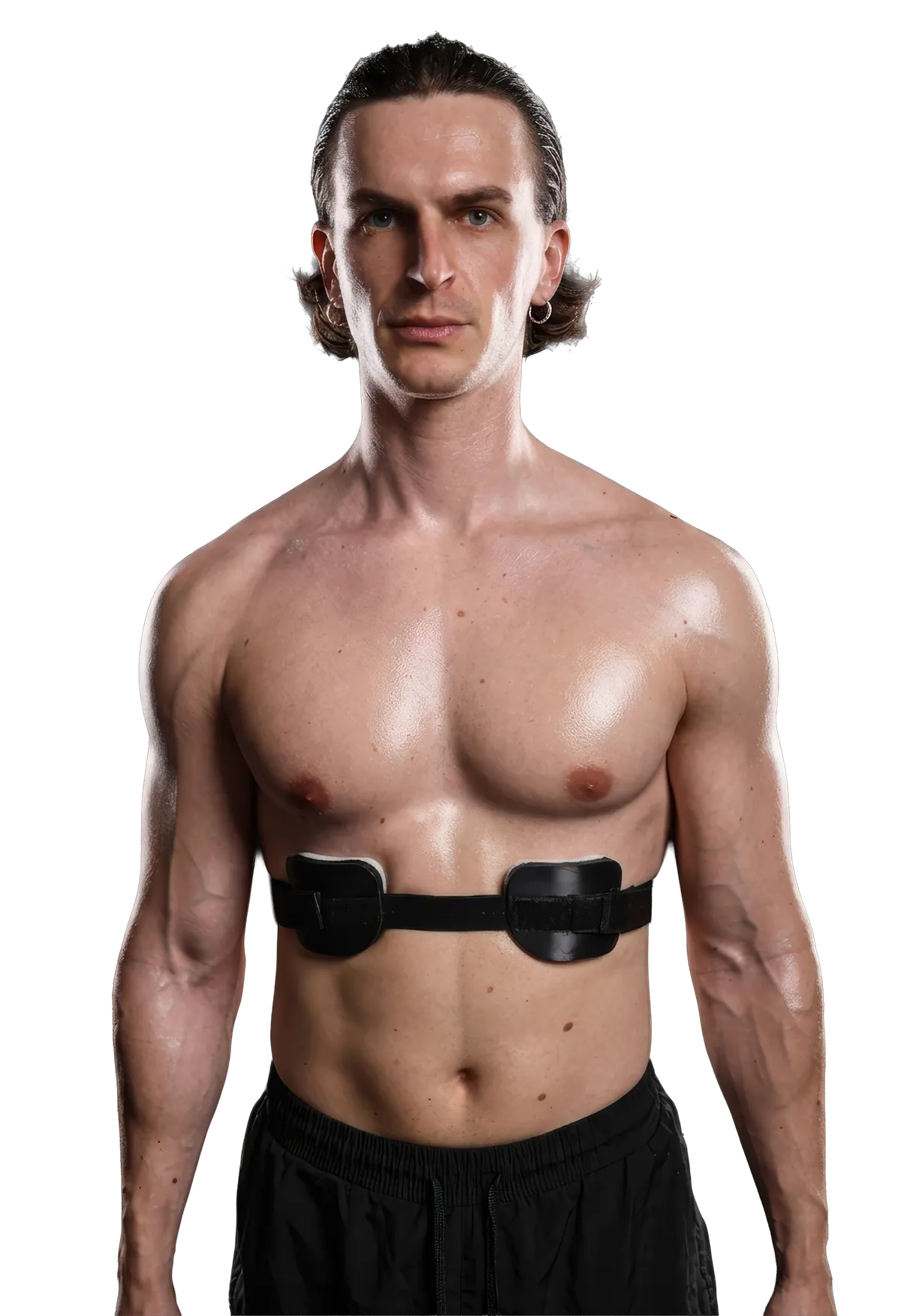
- Wear your compression brace exactly as prescribed if one was used.5
- Imaging & travel: steel hardware can trip airport detectors and limit some MRI; titanium is MRI-compatible and usually passes. Ask which you have.38
Return to Activity
| Activity | Typical earliest return |
|---|---|
| Walking | Day 1, building daily30 |
| Driving | Off opioids & moving freely, often ~2–3 weeks (confirm) |
| Desk work / school | ~3 weeks26 |
| Light cardio | ~6 weeks26 |
| Strength training | ~6 weeks light → progressive from 3 months26 |
| Vigorous activity / most sport | ~2–3 months26 |
| Contact / collision sport | Surgeon clearance only, while bar is in26 |
Travel, Flying & Imaging
Driving
Don't drive until you're off opioid pain medication and can perform an emergency stop and a shoulder-check comfortably and without hesitation, usually around 2–3 weeks, but confirm with your surgeon and check your insurer's wording.55 Start with short trips.
Flying
- When: short flights are usually fine once you're healing well and cleared; many teams suggest waiting a couple of weeks after chest surgery. Ask yours.
- Clots on long flights: you're at higher clot risk for weeks after surgery. On flights over ~4 hours, walk the aisle hourly, do calf pumps, stay hydrated, and ask whether compression stockings are advised for you.31,51
- Security: a steel bar can trip metal detectors; a titanium bar usually doesn't. Carry an implant/device card and tell the officer you have a chest implant.38
MRI & other imaging
A titanium bar is MRI-compatible; a steel bar limits or rules out some MRI scans and can distort images near the chest. Always tell any radiographer or doctor that you have a chest-wall bar, and ask your surgeon which metal you have and for an implant card to carry.38
Living With the Bar & Removal
You'll live a normal life with the Abramson bar in for 2–3 years (train, work, travel) minus collision sport.2,26
What "living with it" actually feels like
- Most people stop noticing the bar within a few months. You may feel it in cold weather or on very deep breaths, and you may set off airport detectors.38
- You can sleep on your side once healed, lift and train fully once cleared, and do almost any non-collision sport.26
- Keep up the ribs-down, sternum-relaxed posture habit, it's what stops you driving the chest back out while the chest wall remodels around the new shape.5,8
Bar removal, the full picture
Bar removal is a shorter, planned operation once the chest has held its corrected shape long enough, typically 2–3 years. Established techniques make it safe, and patient satisfaction stays high after removal.2,46
- Before: a day case or short stay, usually under general anaesthetic, often reusing the original incisions.
- The risk to know: rarely the chest can drift slightly back toward its old shape, most correction holds, which is exactly why posture and the years of remodelling matter.5
- After: much easier than the original surgery, ease back over a few weeks, no heavy lifting briefly, then return to full activity. Keep the ribs-down posture habit for life.
FAQ
When can I lift again?+
Why so much posture and pulling work?+
Will I set off airport security?+
How do I avoid constipation from pain meds?+
When can I drive?+
When is sex okay again?+
When can I sleep on my side?+
I feel or hear a click, should I worry?+
When can I swim?+
Can I drink alcohol?+
When does the bar come out?+
When can I play contact or collision sport?+
How long until I feel normal?+
Will the carinatum come back?+
References
Every claim in this program is backed by published research. These are the studies and clinical sources behind it - tap any lime number in the text to open the source in a new tab.
- Abramson H, et al. Minimally Invasive Repair of Pectus Carinatum. Ann Thorac Surg.
- Minimally invasive repair of pectus carinatum by the Abramson method: a systematic review. J Pediatr Surg; PMID 34969524.
- Ten Years of Abramson Experience in Patients With Pectus Carinatum. PMID 41206769.
- Janssen N, et al. Modification of the Abramson procedure: a pectus carinatum compression system. J Thorac Dis.
- Does physiotherapy applied in conjunction with compression brace treatment improve outcomes in pectus carinatum? mrpectus research library (rs-25151).
- A New Minimally Invasive Technique for Correction of Pectus Carinatum. mrpectus research library (rs-141281).
- Jaroszewski D, et al. The pectus care guidelines: best-practice consensus from the joint specialist societies. PMID 38964837.
- Haje SA, et al. Physiotherapy as an adjuvant to the surgical treatment of anterior chest wall deformities. PMID 11051146.
- Perioperative respiratory physiotherapy after chest-wall surgery. PMID 13129428.
- Protective jacket for the postoperative pectus patient. PMID 13163954.
- Litz CN, et al. Implementation of an Enhanced Recovery Pathway for Minimally Invasive Pectus Surgery. PMID 33401363.
- Mavi J, et al. Successful use of an ERAS pathway following minimally invasive pectus repair. PMID 32197827.
- Effect of Cryoablation on Opioid Utilization and Length of Stay after minimally invasive pectus repair. mrpectus research library (rs-4720721).
- Continuous nerve block versus thoracic epidural analgesia for post-operative pectus pain. mrpectus research library (rs-2966890).
- The Effect of Incentive Spirometry on Postoperative Pulmonary Complications: a systematic review. Chest / Respir Care.
- Incentive Spirometer and Inspiratory Muscle Training. StatPearls, NCBI Bookshelf.
- Deep breathing & physiotherapy reduce atelectasis and pneumonia after thoracic surgery. Systematic review, Ann Thorac Surg.
- Review and discussion of the complications of minimally invasive pectus repair. PMID 12368998.
- A simple technique for preventing bar displacement. PMID 11479873.
- Comparison of minimally invasive and modified Ravitch pectus repair. PMID 11877659.
- The Ravitch-Sutherland technique for surgical correction of chest-wall deformity. PMID 10756788.
- Case studies of cycle exercise early after cardiothoracic surgery. PMID 10361650.
- Post-operative complications of chest-wall repair: systematic review. mrpectus research library (au_169642812).
- A pilot study of the impact of surgical repair on disease-specific quality of life in pectus. PMID 12778393.
- Quality of life after minimally invasive pectus repair. PMID 12720193.
- Cleveland Clinic / Lee & Logan Health. Return-to-activity timeline after minimally invasive chest-wall repair. Patient guidelines, accessed 2026.
- Pulmonary function changes following surgical correction of pectus. PMID 11775246.
- Effectiveness of minimally invasive sternal compression for anterior chest-wall protrusion. mrpectus research library (rs-3906142).
- Preoperative determinants of normative postoperative recovery rate after minimally invasive pectus repair. Pediatr Surg Int 2024; doi 10.1007/s00383-024-05889-5.
- Schwarz N. Prevention of embolic complications: standardized regimen of early ambulation. PMID 14873475.
- Pai M, et al. Perioperative Venous Thromboembolism Prophylaxis. Mayo Clin Proc 2020.
- Opioid-Induced Constipation, management. StatPearls, NCBI Bookshelf NBK493184.
- UW Health. Constipation from opioids: prevention with a daily bowel regimen. Patient health facts, accessed 2026.
- The Role of Vitamin D Supplementation in Enhancing Muscle Strength Post-Surgery. Nutrients 2025; 17(9):1512.
- National Athletic Trainers' Association. The Use of Nutrition in Wound Healing (protein, vitamin C, zinc). nata.org, accessed 2026.
- Vitamin D Supplementation in Orthopedic Trauma: fracture healing and infection outcomes. PMC12648633.
- Jiang S, et al. Efficacy of topical silicone gel in scar management: systematic review & meta-analysis of RCTs. PMID 32119763.
- New material for the Nuss/bar procedure (titanium, MRI compatibility & airport detectors). PMID 15563267.
- Krasopoulos G, et al. Surgical repair of chest-wall deformity markedly improves body image and physical-activity confidence. PMID 19047237.
- Zuidema WP, et al. Early Consequences of Pectus Surgery on Self-Esteem and General Quality of Life. PMID 29411068.
- Quality of life improves after minimally invasive pectus repair. PMID 25293414.
- Systematic review of physiological and psychological outcomes of pectus surgery. PMID 37827806.
- Pectus patients have lower quality of life and impaired body image before correction. PMID 21440452.
- Park HJ, et al. Complications associated with bar-based pectus repair: risk factors and prevention. PMID 15017558.
- Complications after pectus repair using bars: risk by age and technique. Interact CardioVasc Thorac Surg 2017.
- Risk factors and techniques for safe pectus bar removal. Ann Thorac Surg 2022.
- British Heart Foundation. Recovering from heart and chest surgery: tiredness and energy. Patient information, bhf.org.uk, accessed 2026.
- Royal College of Occupational Therapists. Conserving energy and pacing activity after surgery. Patient guidance, rcot.co.uk, accessed 2026.
- American Association of Cardiovascular & Pulmonary Rehabilitation (AACVPR). Guidelines for Cardiac Rehabilitation Programs. Human Kinetics, 6th ed.
- Levine GN, et al. Sexual Activity and Cardiovascular Disease: A Scientific Statement From the American Heart Association. Circulation 2012; PMID 22267844.
- Centers for Disease Control and Prevention. Deep Vein Thrombosis & Pulmonary Embolism (travel-associated thrombosis). CDC Yellow Book, accessed 2026.
- Spruit MA, et al. An Official ATS/ERS Statement: Key Concepts and Advances in Pulmonary Rehabilitation. Am J Respir Crit Care Med 2013; PMID 24127811.
- Mustoe TA, et al. International clinical recommendations on scar management. Plast Reconstr Surg 2002; PMID 12172160.
- Intercostal Neuralgia / chronic post-thoracic-surgery nerve pain. StatPearls, NCBI Bookshelf, accessed 2026.
- American College of Surgeons. Recovering From Surgery: returning to driving and daily activity. facs.org patient education, accessed 2026.
- NHS. Couch to 5K, graded return to running. nhs.uk, accessed 2026.
- Surgical correction of pectus carinatum improves perceived body image, mental health and self-esteem. PMID 25783317.
- Body-image, self-concept and mental exposure in patients with anterior chest-wall deformity. PMID 21290134.
- Goyal M, et al. Meditation programs for psychological stress and well-being: a systematic review and meta-analysis. JAMA Intern Med 2014; PMID 24395196.
- Hofmann SG, et al. The effect of mindfulness-based therapy on anxiety and depression: a meta-analytic review. J Consult Clin Psychol 2010; PMID 20350028.
- Hoge EA, et al. Randomized controlled trial of mindfulness meditation for generalized anxiety disorder. J Clin Psychiatry 2013; PMID 23541163.
- Kabat-Zinn J, et al. Effectiveness of a meditation-based stress reduction program in the treatment of anxiety disorders. Am J Psychiatry 1992; PMID 1609875.
- Khoury B, et al. Mindfulness-based therapy: a comprehensive meta-analysis. Clin Psychol Rev 2013; PMID 23796855.
Recoveries that went the distance
Coached one on one since 2015, with the timelines and the numbers they actually logged.
“Mihail doesnt sugarcoat anything. told me exactly what to expect and exactly how long it would take. 12 months in and my carinatum is flat. i finally take my shirt off at the beach”
“The carinatum brace is really well made. fits perfect to my chest and i can wear it under a t-shirt at work. results started showing around 4 months”
Not sure if you even need surgery yet?
Carinatum is the most brace-responsive pectus condition. Take the 1-minute assessment for an honest read on whether you can correct it without surgery.
Take the free assessment →