Contents · 5 sections
The most common message I get starts the same way: “I’m in my twenties (or thirties, or forties) - is it too late to fix my chest without surgery?”
The honest answer: it’s harder than it is for a teenager, but “too late” is the wrong frame. Here’s what actually changes with age, and what’s still on the table.
What changes after your growth plates close
In adolescence, the rib cartilage is soft and pliable, and the whole chest is still growing. That’s the ideal window - gentle, consistent corrective force moves the sternum more easily, and you have growth working with you.
As an adult, two things are different:
- The cartilage is stiffer. It still has flexibility - chest cartilage never becomes solid bone - but it resists change more, so correction is slower
- You no longer have growth on your side. Change comes from the protocol you apply, not from your body remodelling on its own
Neither of these means change is impossible. They mean the timeline is longer and consistency matters more.
What the vacuum bell can and can’t do in adults
The vacuum bell is the most effective non-surgical tool for pectus excavatum, and there is published evidence of meaningful correction in adults - not just children. But the results follow a pattern worth understanding:
- Best responders are adults with a flexible chest wall, a mild-to-moderate depression, and the discipline to use the device daily over months
- Slower responders have rigid, deep, or asymmetric depressions - here the bell still helps, but expectations need to be calibrated and other tools matter more
- What it won’t do is deliver a teenager’s timeline. Adult correction is measured in many months to a couple of years of consistent work, not weeks
A custom-fitted bell matters far more in adults than in teens, because a poor fit wastes the limited corrective force you’re working with.
Why breathing and posture do heavier lifting in adults
When the structural change is slower, the functional and visual wins from breathing and posture become a bigger share of your result:
- Diaphragmatic breathing reduces the inward pull on the sternum that chest breathing reinforces all day
- Thoracic mobility and posture work change how the chest presents, often visibly, before deep structural change shows
- Building the surrounding musculature changes the frame around the depression
None of this is a gimmick - it’s the part of the protocol that keeps producing returns at any age.
Setting realistic expectations
Here’s the framing I give every adult client:
- Expect months, not weeks, and judge progress with measurements and photos, not the mirror on a bad day
- A partial structural improvement plus better breathing, posture and musculature is a genuinely good outcome - and for many people it’s a life-changing one
- If your case is severe, symptomatic, and rigid, an honest assessment may point toward surgery - and that’s information, not failure
The bottom line
Being an adult changes the difficulty, not the possibility. A flexible chest, a custom-fitted vacuum bell, and a consistent breathing-and-posture protocol still move the needle for most adults willing to commit to the timeline.
Want a realistic read on your specific case? Start with the free assessment, or look at the custom vacuum bell built to your measurements.
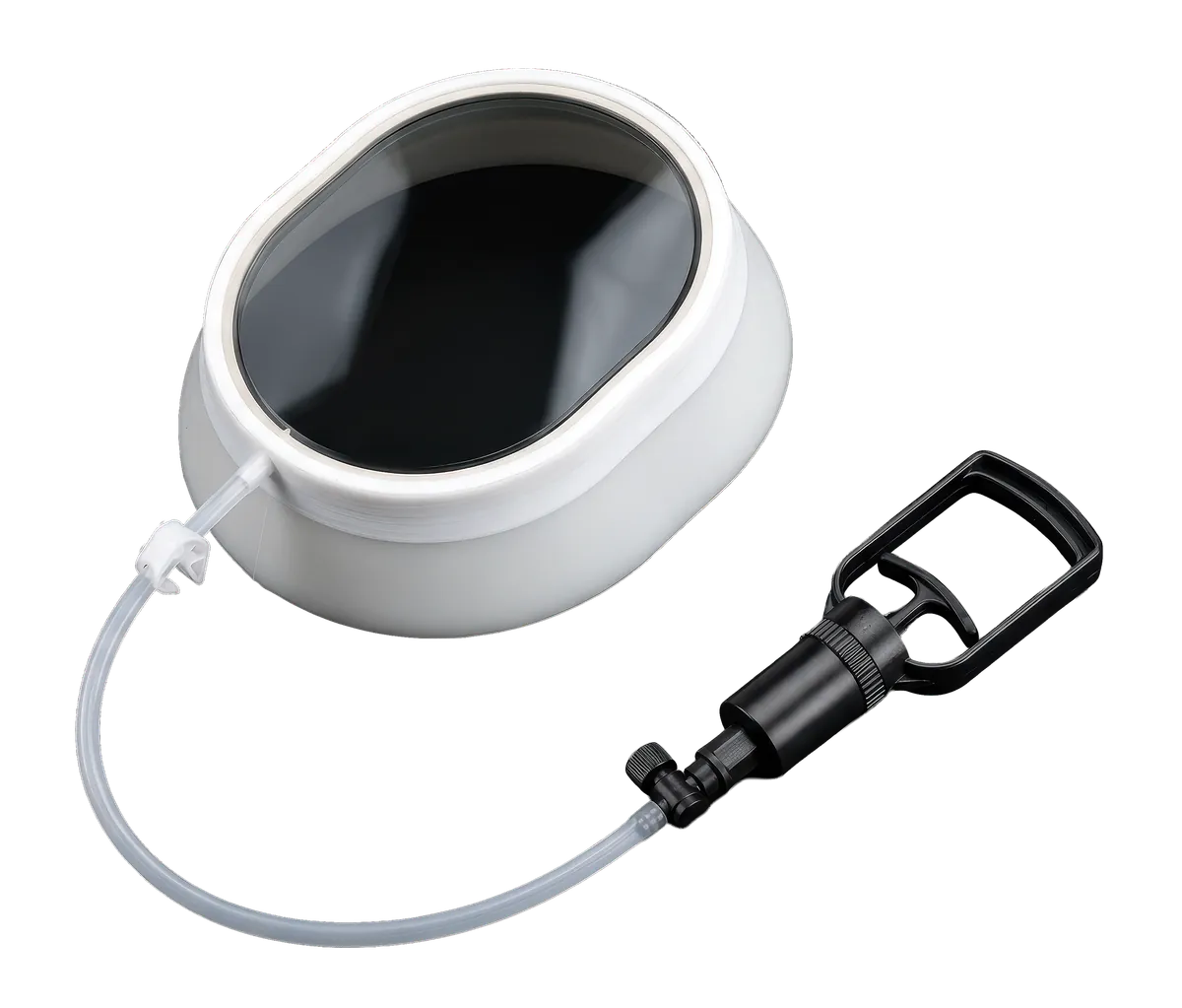
Adult chests respond to suction, they just need a longer runway and a properly fitted cup. This is the bell I use with adult clients, sized to your chest.
- Cup sized to your chest, not a generic diameter
- The adult session schedule and pressure progression
- What month-by-month progress actually looks like after 20

This article is for educational purposes only and does not constitute medical advice. Always consult a qualified healthcare professional before starting any treatment protocol. View full disclaimer →