Contents · 9 sections
You might ask how a chest problem could mess with sleep. Well, research shows that pectus excavatum often messes up breathing during sleep.
One study in the Journal of Pediatric Surgery found that 30% of people with this chest issue have trouble breathing while asleep.
Also, there’s evidence that sleep breathing problems could make pectus excavatum worse, making it a tough cycle.
Common Sleep-Related Breathing Issues
Individuals with pectus excavatum may experience various sleep-related breathing issues, including:
Disrupted Breathing
Struggling to breathe or experiencing sudden awakenings during the night.
Loud and Frequent Snoring
Persistent snoring that is loud and happens most nights, that indicates compromised airflow.
Apnea Episodes
Periods where breathing stops briefly, which can be alarming and risky.
These issues arise because chest deformity impacts airflow and respiratory function, making it harder for the lungs to fully expand and for air to flow smoothly, particularly when lying down.
Other Sleep-Related Breathing Issues
Beyond the common symptoms, be mindful of these too:
Restless Sleep
Consistent tossing and turning throughout the night, struggling to find a comfortable position.
Bedwetting
Increased urine production at night, which can be a sign of disrupted sleep.
Learning Difficulties
Poor sleep quality can impact attention, memory, and overall school performance.
Slow Muscle Growth
Disrupted sleep can affect physical development, leading to slower than normal growth.
Cardiovascular Difficulties
Higher risk of high blood pressure and other heart or lung issues due to poor sleep.
Obesity
Sleep problems can contribute to weight gain and obesity, particularly in pectus excavatum patients.
Daytime Fatigue
Feeling unusually tired and lacking energy during the day despite getting a full night’s sleep.
Morning Headaches
Waking up with headaches, which can be a clear sign of sleep disturbances.
Self-awareness and monitoring these symptoms are crucial first steps in addressing the issue.
Impact on Mental Health and Sleep Quality
The psychological impact of pectus excavatum on sleep quality is often underestimated. Anxiety, depression, and stress related to body image and social interactions can further deteriorate sleep quality.
Coping strategies like mindfulness and seeking support from mental health professionals can make a significant difference.
Lifestyle Modifications for Better Sleep
Adopting these lifestyle changes can greatly enhance sleep quality:
Consistent Sleep Schedule
Maintain a regular sleep routine by going to bed and waking up at the same time every day, even if that’s hard for you at the beginning still try your best to maintain a routine.
Optimize Sleep Environment
Ensure a comfortable mattress, a dark room, and a cool temperature to enhance sleep quality.
Avoid Caffeine and Heavy Meals
Especially 2 hours before bedtime, to prevent sleep disruptions.
Personal Experiences
Hearing real-life experiences can be incredibly helpful in recognizing your problems and finding solutions.
One Reddit user shared their journey with sleep-related breathing issues due to pectus excavatum which is resulting in severe fatigue, depression, brain fog, and other issues.
Despite sleeping for 12 hours, they still struggle to get out of bed. But they are working on finding the solution and suggest vacuum bell.
Parental Guidance and Support
Parents, your support is invaluable in improving your child’s sleep quality. Here’s how you can help:
Non-Surgical Methods
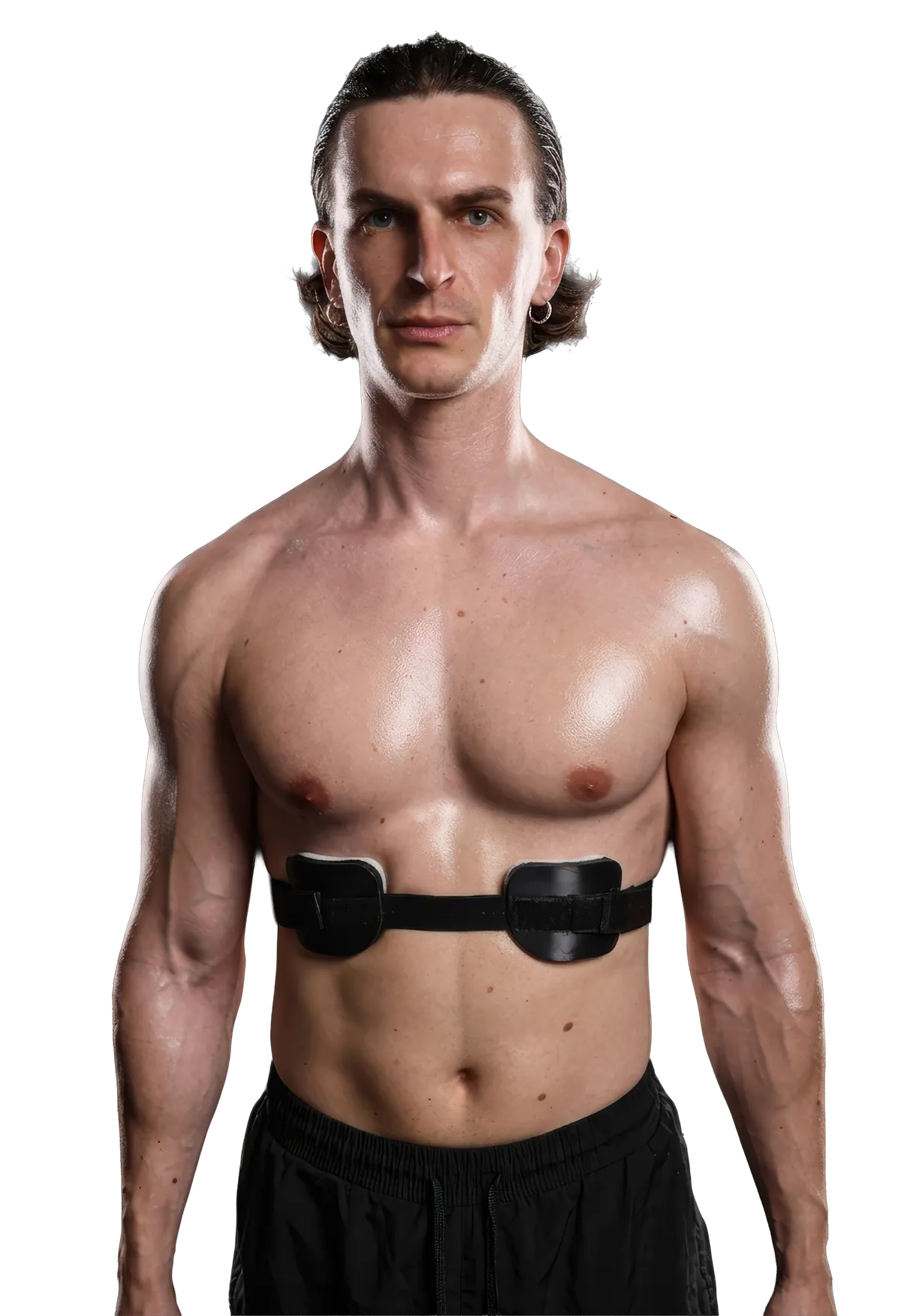
Encourage your kids to start doing positional therapy, working out and vacuum bell, as a proven non-surgical system for concealing all the symptoms.
Non-Surgical Useful Methods to Improve Sleep
Here are some practical strategies to enhance sleep:
Avoid Tight Clothing
Restrictive clothing can limit chest expansion and comfort.
Heat Therapy
Use heating pads or take warm baths/showers before bed to relax chest muscles.
Relaxation Techniques
Engage in deep breathing exercises and calming yoga poses to unwind.
Sleep Position Adjustments
Sleeping on your side or back is better than on your stomach, as it supports your spine, relieves pressure, and helps muscles relax and recover.
Positive Airway Pressure (PAP) Therapy
Consider this for severe cases. You’ll need to wear a mask during sleep connected to a portable machine that gently blows pressurized air into your upper airway, keeping it open to prevent apnea and allow normal breathing.
Always consult a healthcare professional for personalized advice.
Conclusion
Living with pectus excavatum can significantly impact sleep quality, but there are many ways to manage these issues. From lifestyle modifications to non-surgical approaches, there are numerous options to explore.
Remember, seeking reliable information and support is crucial. With the right strategies, you can improve your sleep and overall quality of life.
Embark on this journey with optimism and confidence, knowing that better sleep and improved well-being are within reach.
Sources
- Pectus excavatum is associated with sleep-related breathing disorders in children | European Respiratory Society (ersjournals.com) Read it
- How to Sleep Comfortably with Pectus Excavatum: A Comprehensive Guide - HelpSleepProblems.com Read it
- Poorer sleep quality among adult patients with pectus excavatum in Taiwan: A pilot study (jtcvs.org) Read it
Everything I know about correcting a chest without surgery, in one book - exercises, posture, breathing, flared ribs and vacuum bell work.
- 1,127 pages across 93 chapters
- 741 scientific references
- Instant download, lifetime access

This article is for educational purposes only and does not constitute medical advice. Always consult a qualified healthcare professional before starting any treatment protocol. View full disclaimer →