Contents · 8 sections
Catheters play a crucial role in the post-operative care of the Nuss procedure. While the idea of having catheters might seem scary, they are essential for a smooth recovery.
For those facing pectus excavatum, the Nuss procedure can be a sign of hope.
This minimally invasive surgery corrects chest deformity, pushing the breastbone forward. But the journey doesn’t end there. Post-operative care plays a critical role in ensuring a successful recovery.
Epidural Catheter for Pain Relief
One of the first steps before the operation is the insertion of an epidural catheter in your back. It takes about 20 minutes to insert the tube.
This catheter administers pain relief through a small pump, helping you manage post-surgical pain effectively. Typically, this catheter is removed about two days after the operation.
Pain Management
Pain management is vital during the recovery phase. Initially, pain relief is provided through the epidural catheter. After a few days, you’ll transition to oral pain medications.
Managing pain effectively is essential for a smooth recovery.
Parents have the right to deny this pain relief method for their children. But studies show that denial of parental approval for epidural analgesia after the Nuss procedure results in significantly worse postoperative pain control.
Bladder Catheter
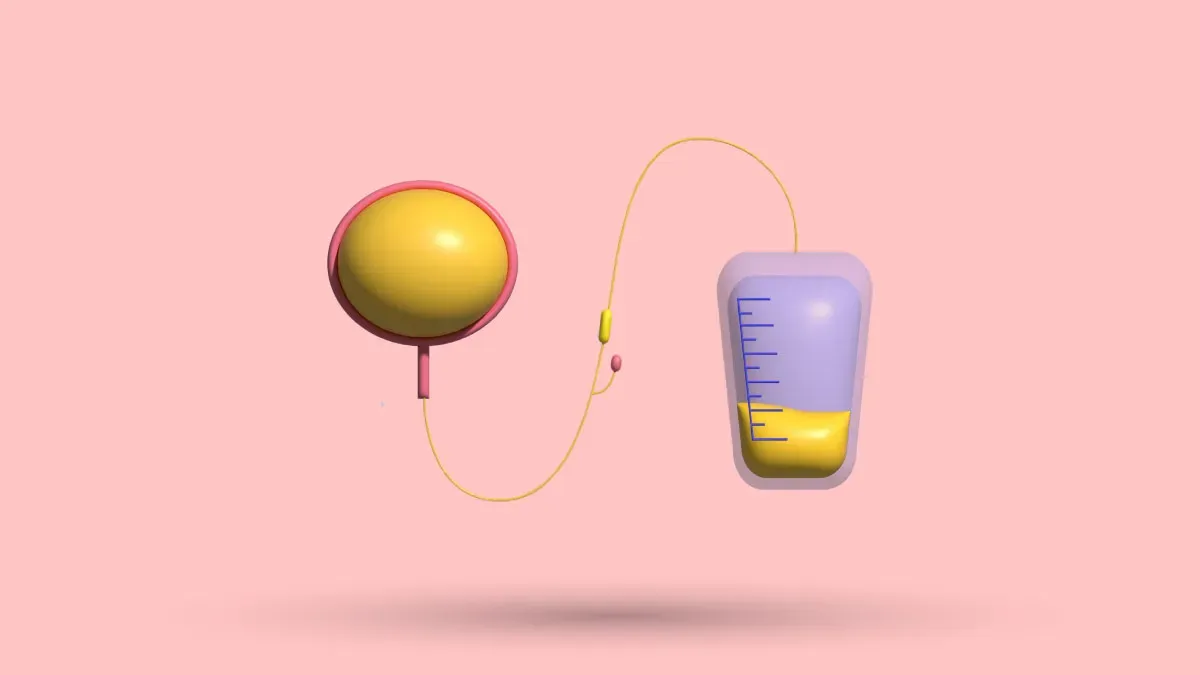
During the recovery period, a catheter is placed in the bladder to drain urine. This helps in monitoring urine output and preventing complications.
While it might sound uncomfortable, the benefits far outweigh the temporary discomfort.
What You Should Know
Initially, you might experience a sensation of needing to urinate and a burning feeling around your urethra.
Occasionally, you might feel sudden pain and urgency to urinate, and there might be some leakage around the catheter.
At night, you’ll switch to a larger bag, either attaching it to your leg bag or directly to the catheter valve. Place it on a stand near your bed, close to the floor, to collect urine while you sleep.
Single-use night bags are typically preferred to minimize infection risks.
Pros and Cons of Catheter Usage
Let’s weigh the pros and cons of using catheters during and after the Nuss procedure.
Pros
- Efficient Post-Operative Care: Drains urine effectively, allowing you to focus on recovery.
- Reduced Bathroom Trips: Minimizes the need for frequent bathroom visits, which can be challenging post-surgery.
Cons
- Discomfort: Insertion and removal of catheters can be uncomfortable. (Inserting either type of catheter can cause discomfort, but anaesthetic gel can help reduce pain. While the catheter is in place, you may experience some discomfort initially, but most people adapt to it over time.)
- Risk of Infection: There is a potential risk of infection, but preventive measures can mitigate this.
Catheter Site CareProper care of your catheter sites is essential to prevent infection and promote healing. Follow your healthcare provider’s instructions for cleaning and dressing the catheter insertion sites.
Notify your doctor immediately if you notice any signs of infection, such as redness, swelling, or drainage.
Advice
Don’t worry about any discomforts you might encounter; your medical team has solutions to manage pain and ensure your comfort.
Мany patients are afraid of the catheter and whether that process is painful, but it is important to keep your focus on the surgery’s positive outcomes, and remember, any temporary discomfort will fade away.
You’re in good hands, and your team is here to support you every step of the way!
Conclusion
Catherers facilitate efficient recovery, allowing you to focus on healing and getting back to your routine.
If you’re considering the Nuss procedure, or if you’re a parent of a child who might need it, it’s essential to seek reliable information and support.
For more resources and detailed guides on pectus excavatum recovery, visit my other blog posts. Your journey to a better chest and boosted self-confidence is just a click away.
Sources
- “Nuss Procedure: Post-Operative Care,” Journal of Thoracic Surgery, 2020.
- “The Role of Catheters in Surgical Recovery,” Medical Innovations, 2021.
- Epidural and opioid analgesia following the Nuss procedure, https://www.ncbi.nlm.nih.gov/pmc/articles/PMC3539505/ Read it
Reading about the condition is one thing. Knowing which one you have, how severe it is and what to do first takes about a minute.
- Your condition named, not guessed
- A severity read you can act on
- The exact next step for your case

This article is for educational purposes only and does not constitute medical advice. Always consult a qualified healthcare professional before starting any treatment protocol. View full disclaimer →