Contents · 7 sections
Overcorrection of pectus excavatum can occur, whether you improve it surgically or non-surgically. Luckily, this rarely happens.
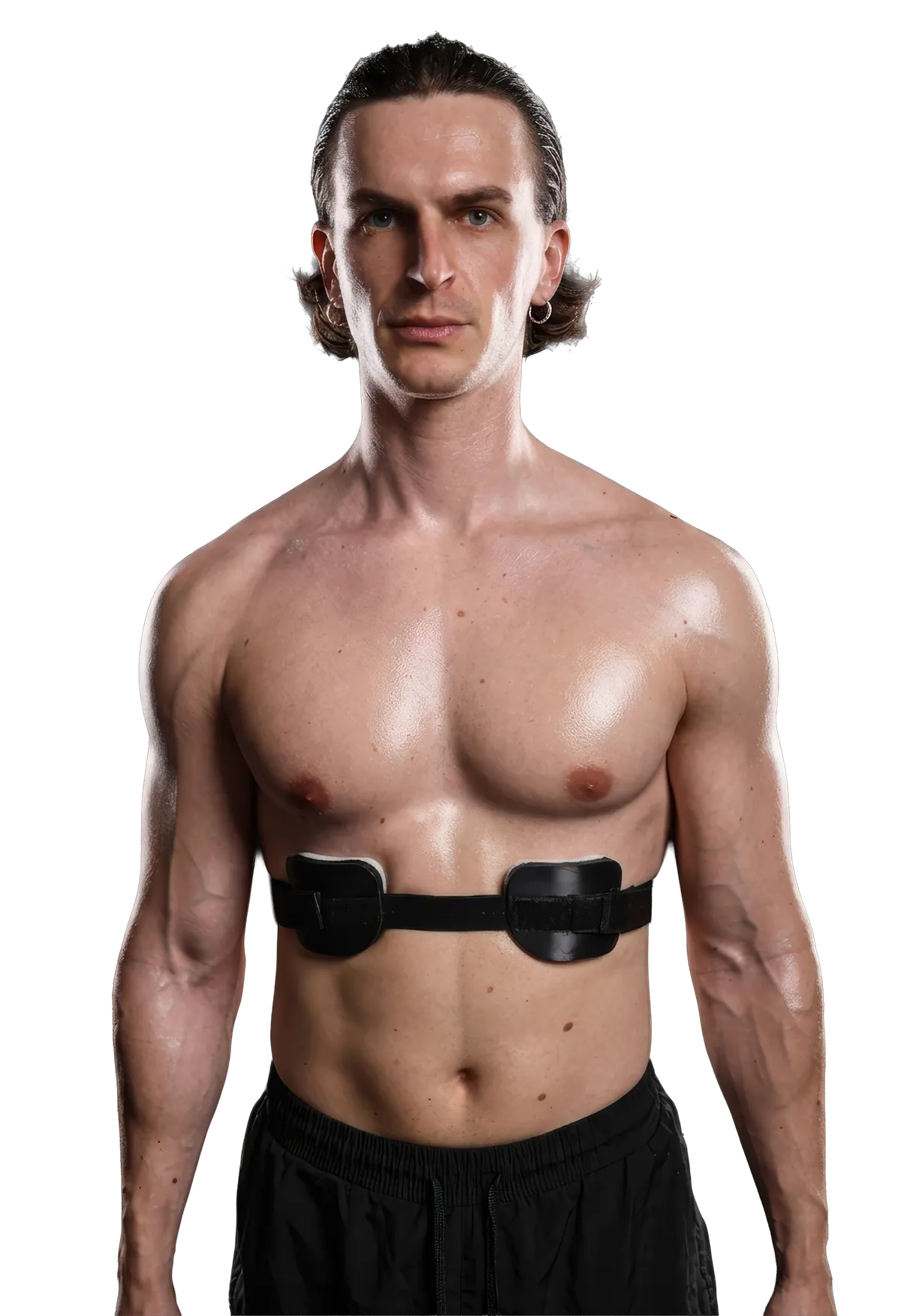
Surgery is the most popular way to treat a severe form of a sunken chest. Still, many patients also successfully corrected their deformity non-surgically using the Dynamic Remodeling Method with Braces.
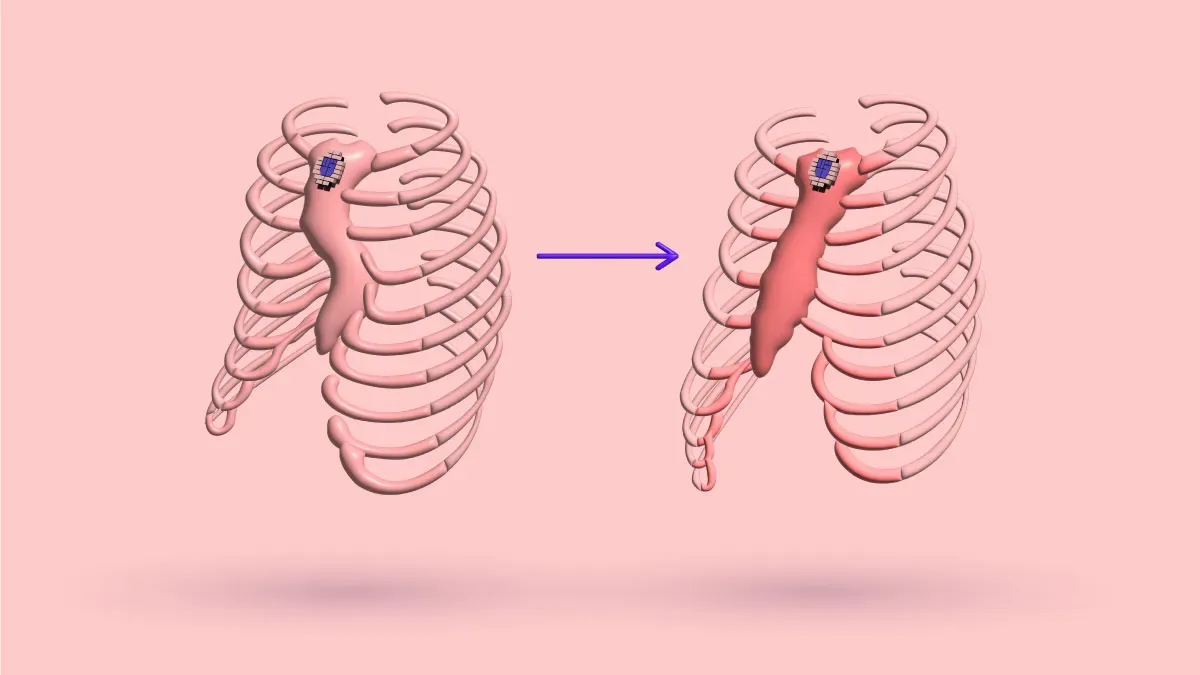
In both ways, there is evidence that overcorrection can happen in the form of a protruding breastbone (pectus carinatum).
Overcorrection Is a Great Sign
Overcorrection proves that pectus excavatum can be successfully treated non-surgically with the Dynamic Remodeling Method.
According to Dr. Sydney Haje and Davi Haje of the Orthopectus clinic, overcorrection is a side-effect of the treatment that, fortunately, may be fixed with proper treatment.
Overcorrection typically occurs in highly driven patients with flexible abnormalities who are prepared to do anything to avoid surgery and repair the pectus excavatum. It might also occur due to insufficient medical team care during the Dynamic Remodeling Method.
What to Do When Your Sunken Chest Is Overcorrected
When overcorrection occurs, the use of the following methods for pectus excavatum is recommended:
- Reduction in the time the DCC II is worn
- Use of a second orthosis, the type that is created for treating individuals with protruding chests
Fixing the overcorrection doesn’t require any specific therapy. Everything is needed easy tightening adjustments and wearing the brace less frequently.
Overcorrection After Nuss Procedure
Overcorrection can occur after a Nuss procedure. After the pectus bars are implanted, the chest remodeling process begins.
Two or three bars may be necessary to maximize correction. The bars are bent similarly to the desired chest position, but there can be overcorrection due to the pressure of the chest wall, which tends to straighten the bar.
Due to the initial under-correction of the problem, many individuals need a second surgery. It is crucial to overcorrect the deformity slightly to avoid the anterior chest wall buckling and lower the chance of a repeat.
Studies have shown that in 0.4% of the cases, overcorrection leading to pectus carinatum has happened. However, these patients had severe cases of sunken chest and Marfan syndrome.
When Is Overcorrection Unusual
Since surgery is used to correct even slight cases of pectus excavatum, overcorrection of the pectus excavatum during this treatment is unusual.
Marfan Syndrome and Overcorrection
Patients whose pectus excavatum is caused by Marfan’s syndrome typically have a more severe case and usually need two bars to keep the sternum from collapsing above and below the bar. They are most prone to overcorrection mostly because their chests are very flexible.
Therefore, they must practice deep breathing and posture exercises daily to maximize their results and expand their chests. Overcorrection could be highly noticeable initially, but it usually gets better over time.
Second Surgery
Because it is possible to overcorrect with the Nuss procedure (or a short Nuss bar procedure), it was necessary to do second surgery on specific patients, but it ended successfully.
Overcorrection and Nuss Bar Removal
Pectus bar removal is planned two to four years after the first surgery, but if an overcorrection occurs or any unusual signs, the bar is removed after two years.
Sources
- Nuss D, Kelly RE. Indications and Technique of Nuss Procedure for Pectus Excavatum. Thoracic Surgery Clinics. 2010 Nov;20(4):583-97.
- Dore M, Triana Junco P, De La Torre C, Vilanova-Sánchez A, Bret M, Gonzalez G, et al. Nuss Procedure for a Patient with Negative Haller Index. European J Pediatr Surg Rep. 2018 Jan;6(1):e18-22.
- Haje S, Haje D. Overcorrection during treatment of pectus deformities with DCC orthoses: Experience in 17 cases. International orthopaedics. 2006 Sep 1;30:262-7.
- Nuss D, Obermeyer RJ, Jr REK. Pectus excavatum from a pediatric surgeon’s perspective. Annals of Cardiothoracic Surgery. 2016 Sep;5(5):49300-500.
- Pilegaard HK. Short Nuss bar procedure. Annals of Cardiothoracic Surgery. 2016 Sep;5(5):51318-518.
Reading about the condition is one thing. Knowing which one you have, how severe it is and what to do first takes about a minute.
- Your condition named, not guessed
- A severity read you can act on
- The exact next step for your case

This article is for educational purposes only and does not constitute medical advice. Always consult a qualified healthcare professional before starting any treatment protocol. View full disclaimer →